Vape Culture: Understanding the Growth of Vaping in Modern Society
Vape culture has risen as a notable movement among young adults, motivated by the search for better alternatives and an array of flavor selections. Social media accelerates this movement, presenting vaping as a socially acceptable choice. However, the health implications remain contentious, sparking essential guide ongoing debates about its potential risks. As vaping establishments transform into social gathering spaces, the characteristics of this movement remain in constant flux. What does the future hold for this expanding trend?
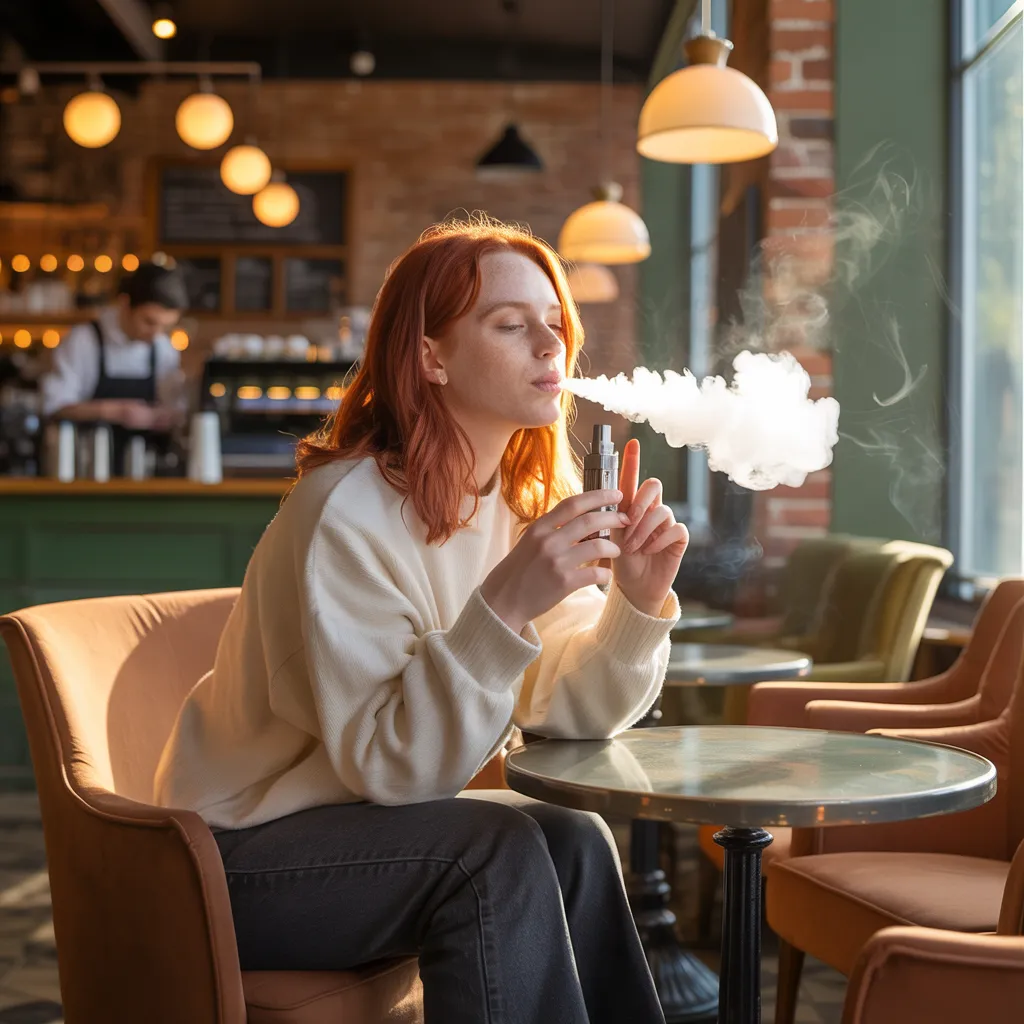
Why Are People Switching to Vaping?
As awareness of the health risks associated with traditional smoking grows, a growing number of people are turning to vaping as an apparently less harmful substitute. This transition is fueled by several contributing elements, such as the attractiveness of diverse flavors and adjustable features that vaping products offer. A great number of users enjoy the diverse flavor selections, extending from fruit-based to dessert-inspired varieties, enhancing the experience beyond what conventional tobacco provides. Moreover, vaping is commonly perceived as a more socially embraced habit, particularly within younger populations. The advanced technology incorporated into vaping devices further provides a measure of control over nicotine use, drawing in those who wish to decrease their consumption over time. Beyond that, the notion that vaping is less bothersome and leaves behind fewer persistent odors compared to smoking plays a role in its increasing prominence. As a result, a diverse range of individuals, from former smokers to those new to nicotine, are increasingly making the switch to vaping.
Can Vaping Be Considered Safe? The Health Controversy?
How does vaping measure up against conventional smoking in terms of safety? This inquiry has ignited substantial controversy among healthcare specialists and the general population. While vaping is often marketed as a safer alternative to smoking, the reality is more complex. E-cigarettes typically contain fewer toxic substances than traditional cigarettes, which could theoretically reduce some health risks. Nevertheless, vaping continues to deliver dangerous substances into the body, such as nicotine, which may result in dependency and possible heart-related complications.
New findings have raised questions about the lasting impacts of inhaling vaporized substances, particularly since many ingredients in e-liquids remain unstudied. Moreover, documented cases of lung injuries tied to vaping have surfaced, deepening the uncertainty about its overall safety. In the end, while vaping may present fewer risks than smoking, it is not devoid of potential hazards, calling for cautious deliberation among users and policymakers.
Who Is Embracing the Vaping Trend?
Who is drawn to the vaping trend? Vaping attracts a wide variety of people, across different age groups and lifestyles. People in their youth, notably those ranging from their late teens to early twenties, commonly explore options beyond traditional tobacco products, viewing vaping as a modern lifestyle choice. Numerous individuals are driven by the idea that vaping is a safer alternative and offers a customizable experience through various flavors and nicotine levels.
In addition, ex-smokers transitioning to vaping constitute a considerable segment. They may see it as a means to reduce nicotine consumption while still enjoying the act of inhaling. Curiosity also drives some individuals, as the social elements of vaping entice those who wish to connect with like-minded individuals or try new things. Vaping's widespread availability, along with its sense of novelty, consistently brings a diverse array of people into the vaping sphere.
How Social Media Has Shaped Vape Culture
What role does social media play in shaping vape culture? Social media networks have grown increasingly central to the promotion and normalization of vaping among different groups. Via eye-catching visual content, influencers portray vaping as a lifestyle option, routinely stressing its aesthetic qualities and social elements. Vaping-related hashtags and online challenges foster a sense of belonging, motivating users to exchange their experiences and personal preferences. Additionally, platforms like Instagram and TikTok allow users to produce and disseminate tutorials, vape tricks, and product reviews, enhancing the visibility of vaping products and brands.
This continuous exchange cultivates an environment where vaping is not just a practice but a form of self-expression. The pervasive influence of social media amplifies trends, leading to quick transformations in consumer preferences. As a result, social media serves as a double-edged sword, both spreading knowledge about vaping and potentially glamorizing the habit, particularly among younger audiences.
How Vaping Impacts Lifestyle Decisions
Vaping has emerged as a major influence on modern lifestyle decisions, influencing everything from social interactions to personal identity. For numerous individuals, vaping functions as a social bridge, encouraging bonds in both informal and formal contexts. The practice of vaping frequently generates a collective experience for participants, strengthening community ties and setting standards for social events.
Additionally, vaping has redefined personal identity for certain people, distinguishing them from traditional smokers or non-smokers. The range of flavors, devices, and brands empowers individuals to express their preferences and tastes, fostering a sense of uniqueness.
Moreover, wellness perspectives surrounding vaping have triggered behavioral changes; some users see it as a healthier option compared to smoking, while others integrate it into health and fitness conversations. In the end, vaping shapes decisions surrounding socializing, self-expression, and health, demonstrating its deep influence over modern lifestyles.
Vape Stores: Gathering Places for Enthusiasts
Within the ever-changing world of vaping culture, vape shops have become vital community hubs for dedicated vapers. Such venues function as meeting spots where customers can bond over their mutual passion for vaping. Rather than just offering products for sale, vape shops frequently organize community events, such as tasting sessions and hands-on workshops, fostering a sense of belonging among customers.
The experienced staff consistently share useful knowledge into the most recent vaping devices and e-liquids, improving the overall vaping journey. This individualized service strengthens trust and dedication within the community. Moreover, vape shops commonly cultivate friendly environments, encouraging social interactions among customers, which often results in strong friendships and supportive networks.
With vaping steadily increasing in popularity, these shops play an important role in cultivating a culture focused on discovery and learning. By focusing on community involvement, vape shops not only contribute to individual experiences but also assist in creating a thriving, interconnected vaping community.
The Future of Vape Culture
How will the future of vape culture evolve as technology and societal attitudes shift? As advancements in vaping technology continue, innovations including smart devices and tailored options will likely draw in a larger consumer base. Enhanced user interfaces and app integrations may facilitate personalized experiences, allowing consumers to track usage and flavor preferences. Additionally, the growing emphasis on health and wellness could reshape perceptions, leading to more acceptance of vaping as a less harmful alternative to smoking.
Legislative shifts will likewise prove essential as legislators adopt more rigorous standards, producers could prioritize openness and excellence, encouraging a more ethical marketplace. Social attitudes may continue to shift, with vaping gaining wider acceptance in popular culture, much like artisan brewing or premium coffee. In the end, the trajectory of vaping culture will be marked by a fusion of innovative technology, policy supervision, and changing community attitudes, establishing a singular standing in current cultural discourse.
Questions We Often Receive
Which Flavors Are Most Favored by Vapers Today?
Fruity flavors, notably berry, mango, and watermelon, lead the vaping market at present. Sweet dessert flavors, like vanilla custard and rich chocolate, also enjoy popularity, appealing to those seeking sweet and indulgent experiences in their vaping choices.
How Much Do You Usually Spend on Vaping Each Month?
Monthly vaping costs usually range from $30 to $100, based on consumption patterns, device selection, and e-liquid options. Consistent users might notice significant cost variations according to personal preferences and consumption patterns.
What Are the Age Requirements for Buying Vape Products?
Indeed, there are age restrictions for buying vape products. In numerous jurisdictions, individuals must be at least 18 or 21 years old, based on local regulations, to legally buy vaping devices and related products.
Can Vaping Help People Quit Smoking Entirely?
Vaping may assist some individuals in quitting smoking entirely by offering a safer substitute. However, its effectiveness varies among users, and continued use of vaping can sustain nicotine reliance in certain individuals.
What Are Common Misconceptions About Vaping?
Widespread misunderstandings about vaping involve the assumptions that it is entirely harmless, that it is free of dangerous chemicals, and that it exclusively leads to cigarette smoking. Such misconceptions have the potential to affect views and habits concerning vaping.